~By Brian Lindner of Waterbury, VT
Can a 1969 Cold Case be solved by materials found in an archive? Can a mysterious fatal fire from 1935, with diametrically opposed witness testimonies, finally be solved through old photographs found in an archive? Can today’s archival collections solve a lingering piece of a 1929 mysterious death? The answer in each case is “yes” or at least “maybe.” Amazing answers to old questions can often be solved when materials held in various public archives are studied by members of the general public.
Cold Case
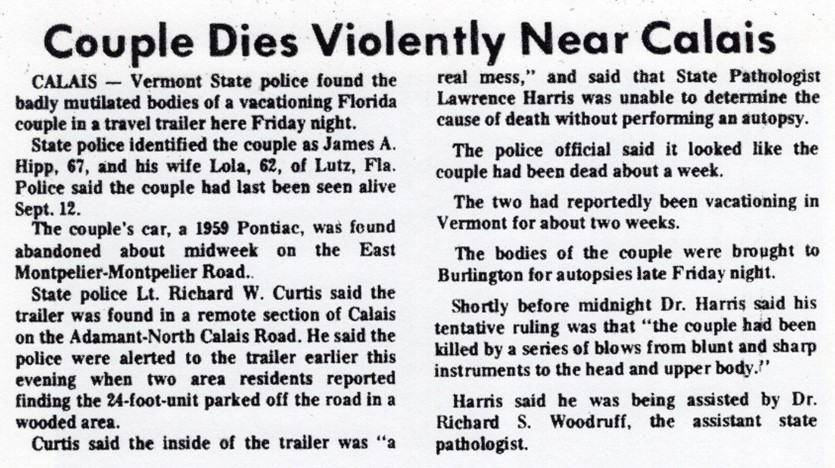
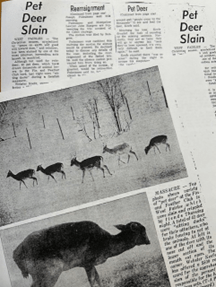
In 1969, James and Iola Hipp of Florida were murdered while vacationing in central Vermont and their case has never been solved. However, in the nearly six decades since that crime, a scrapbook of newspaper clippings maintained by an alleged loner was donated to the Vermont Historical Society after he passed away in 1987. At the very time of the killings, the scrapbook owner had begun saving newspaper clippings of homicides in central Vermont (there were several) that year. At the scene where the Hipp bodies were found, a slaughtered fawn was discovered. In his scrapbook, along with the stories of the homicides, the owner was also chillingly saving newspaper clippings of dead deer. He stopped collecting clippings when the cluster of homicides suddenly ceased. Coincidence?
Civilian Conservation Corps Disaster
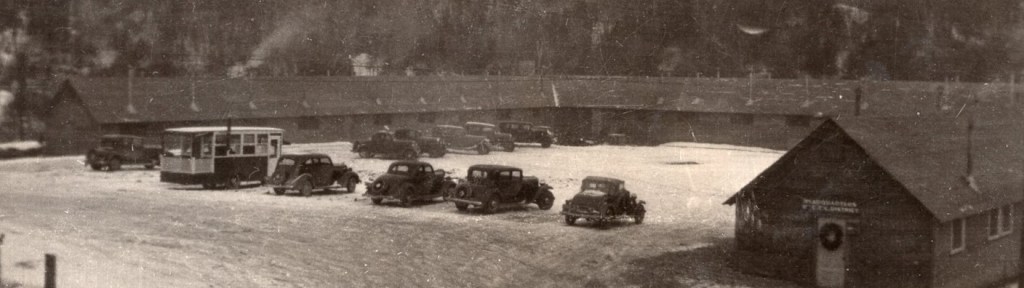
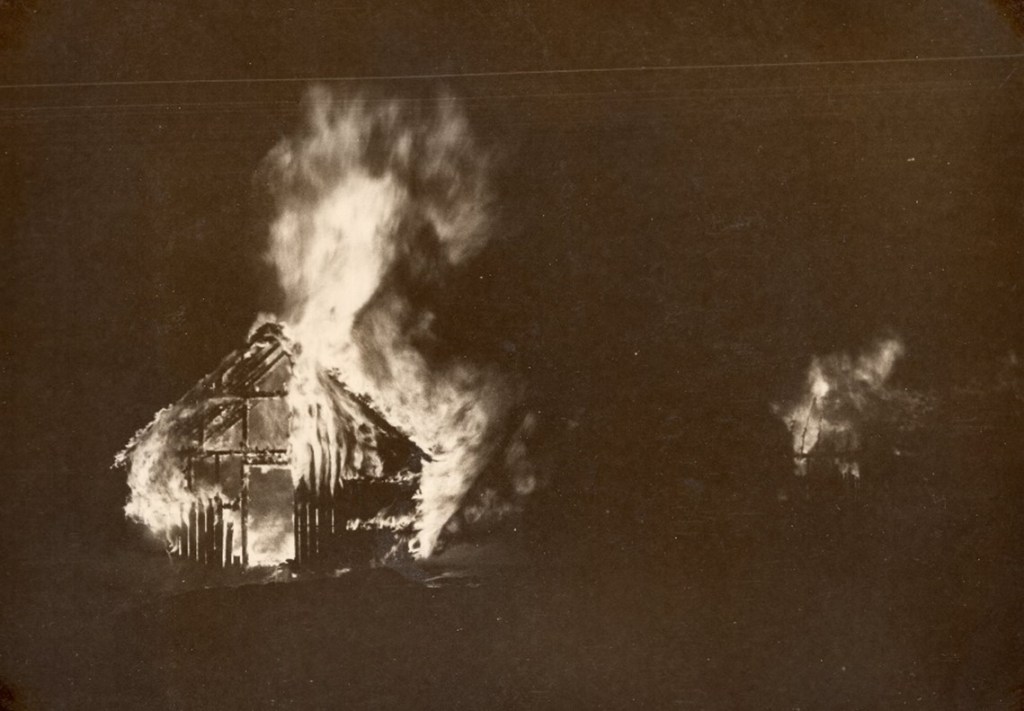
On Christmas Night 1935 at 2:30 AM the Officer’s Quarters at Civilian Conservation Corps (CCC) Camp Charles Smith in Waterbury erupted in flames. Four Army officers perished in the roaring inferno that left the motel-sized building level to the ground in less than 15 minutes. The entire Board of Inquiry file is available from the U.S. National Archives in College Park, MD. A read of the file shows several witnesses claimed to see the fire start but none agreed on where; the point of origin was never determined. The board concluded there was no evidence of arson, but they were unable to officially determine how and why the deadly fire started.
Unofficially, CCC veterans, the newspapers, and locals suspected methane gas could have been both the cause and the reason the building burned so quickly. The Army was using poorly built and leaky stoves burning cheap soft coal…a recipe for generating methane gas.
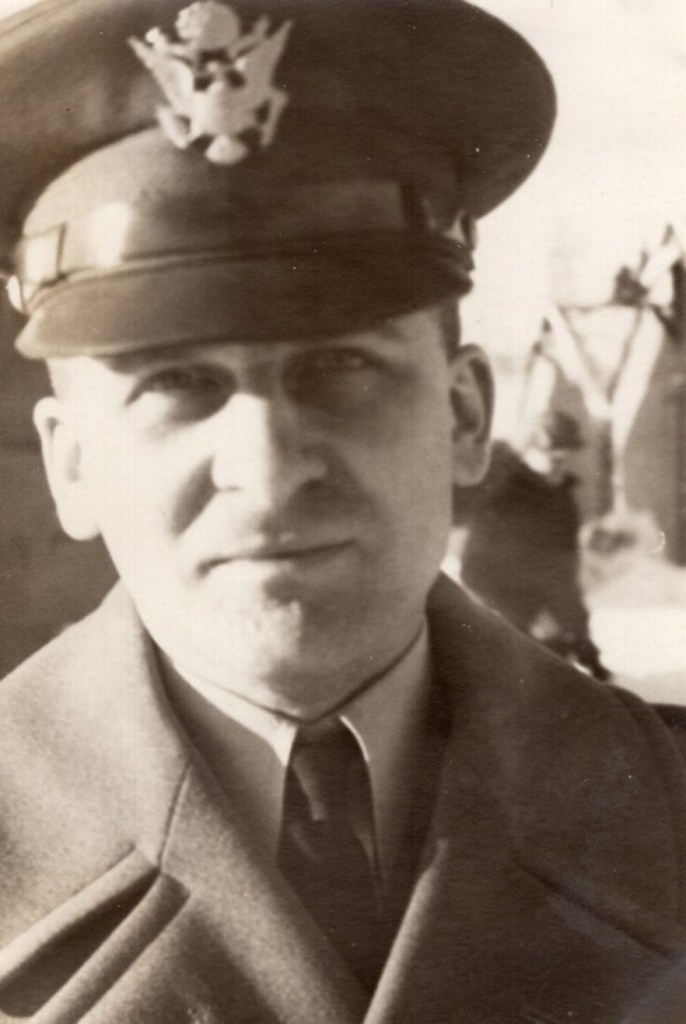
In 1996 the family of CCC Lt. Henry Howard donated his scrapbook of letters, clippings, and photographs to the Waterbury Historical Society for their archives. Lt. Howard barely survived the fire, and his scrapbook contained the only known photograph of the Officer’s Quarters from before the fire. AND…there were two astonishing photos that had clearly never been seen by the Board of Inquiry. These two photos showed the early stages of the fire thereby solving the decades old mystery. The fire clearly began at opposite ends of the building at the same time: methane gas. Case closed. We’ll never know why Lt. Henry hadn’t shared such critical photos with the board despite the fact he was one of the key witnesses at the Inquiry.

Body Never Identified
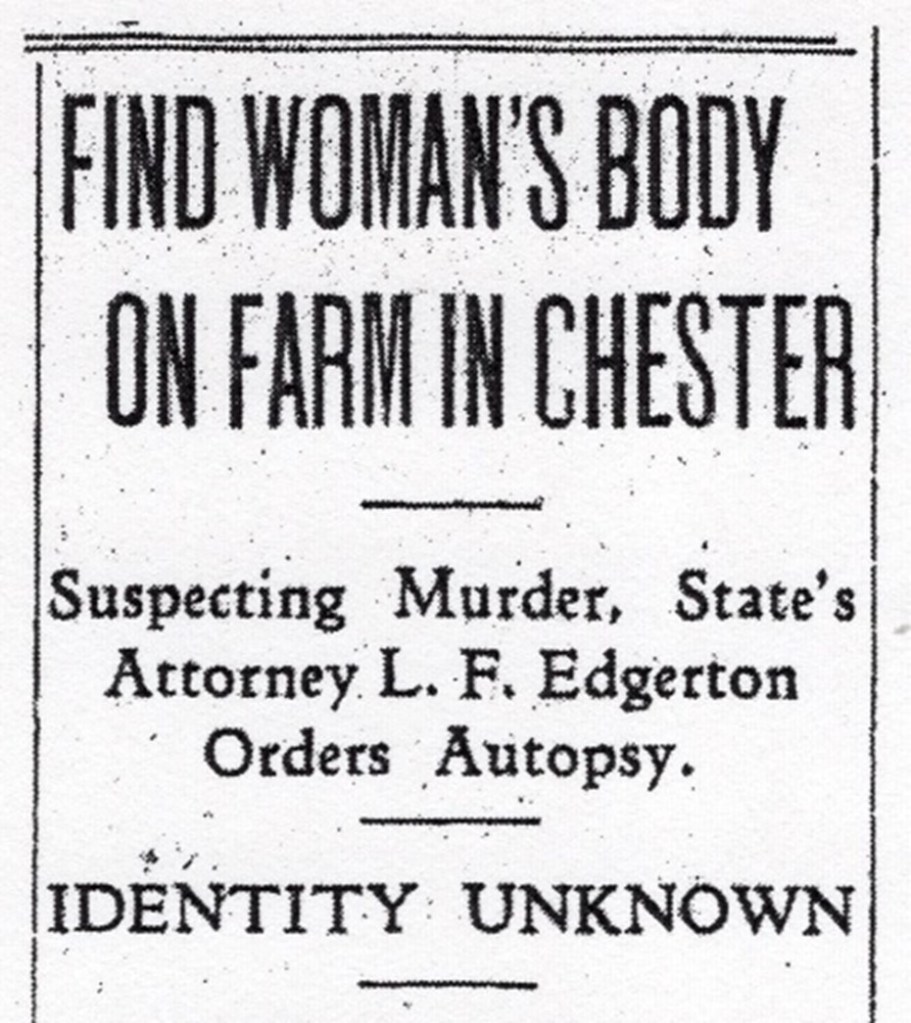
In August of 1929 an unidentified female body was found in a farm field in Chester. Her identity remains unknown to this day. Although officially ruled as a suicide, there were very serious doubts within the small group of investigators.
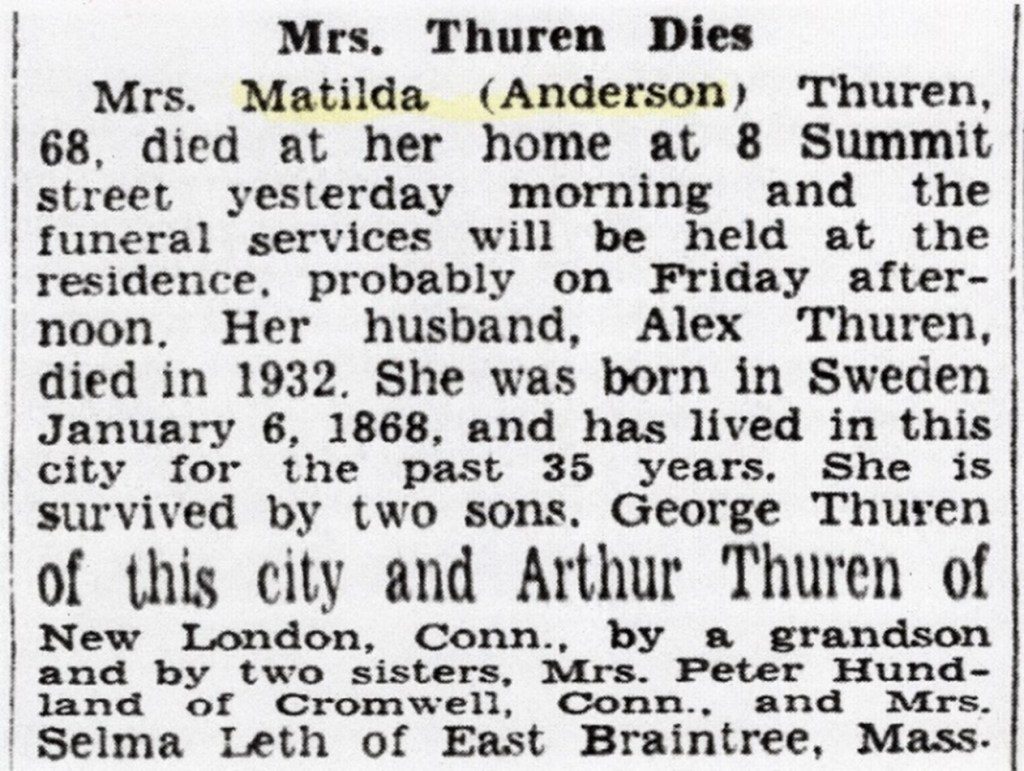
Among several other females, the body was once suspected of being that of Matilda Anderson, a native of Sweden, who had been anonymously reported as missing from Boston. There was extensive news coverage about the attempts to find Anderson and the trail seemed to lead to Vermont. Using today’s newspaper archives at the Vermont State Archives and Records Administration in Middlesex, coupled with the ability to use hindsight, we can easily see Anderson was never missing and she wasn’t from Boston. She was a resident of Burlington and appeared frequently in the social section of the Burlington Free Press from 1929 all the way to her obituary in 1935.
If you have an interest in researching an old crime, old disappearance, old tragedy, births, marriages, your street name, or any of an endless list of topics – visit any public archive. You will be welcomed, and you may find the answer that eluded everyone before you.


Thanks for great first posting for the October Archives Month Blog. Interesting stories and ties to archives. Thank you Brian Lindner for your excellent sleuthing.
Mary Ide
LikeLike
Thank you, Mary!
LikeLike