VHRP was grateful to place two interns with MHS! This week, Madeline King reflects about her time processing the Milton Historical Photographs Collection.
This summer, I had the opportunity to intern with the Milton Historical Society and Museum through the VHRP internship program! My co-intern Isabella and I worked with MHS board members to devise a way to sort and accession their photographs to be more accessible to the Museum and the public. As a recent graduate of UVM’s Anthropology program, I have been looking for ways to gain experience with museum and archival work before finding a graduate program to continue my education. I chose this internship because it let me learn more about archives in Vermont, and I was excited to be paired with MHS because it is close to where I grew up in Fairfax! By the end of this internship, Isabella and I sorted the large collection of photos for MHS and began accessioning the photographs, establishing a system that can be used for future images as they are acquired.
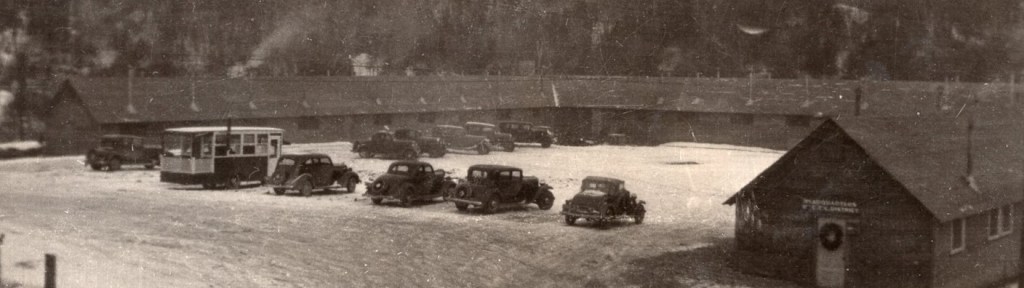
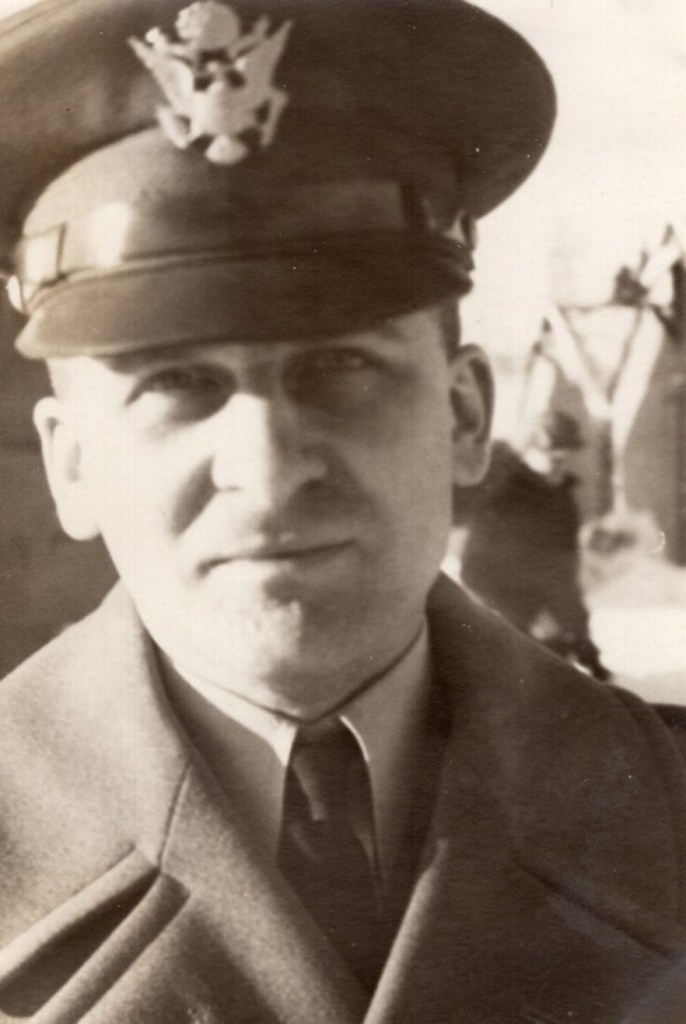
Every Wednesday since May, Isabella and I went to the Milton Museum for eight hours to work through their photograph collection. We began by sorting photographs into general categories like People, Places, and Events. Then we went through them again to divide the photographs into folders of related images– these could be as broad as “Female Portraits” or as specific as the “Milton Boro Cemetery”, depending on the amount of photos we found that fit into each category. Most of the images we worked with were printed photographs, but we also found some tin types, daguerreotypes, negatives, and even an etching!
Once the photographs were sorted, we started documenting them in an Excel spreadsheet. This information will eventually be put into the PastPerfect software used by MHS for their artifact database. We gave each photograph an Object ID, wrote descriptions, and kept track of other information that corresponded to Dublin Core data standards. We accessioned over one thousand photographs before coming to the end of our internship with MHS, and there are still more to go! Even though we did not finish logging their entire collection, our work set the Milton Museum up for the future as they continue to acquire photographs and gave them an idea of what images they already have. These categorizing and accessioning standards that Isabella and I established are helpful because MHS can now find images in their collection quickly and easily. Their ultimate goal is to digitize these photos for the community to access, and this was a crucial step in the process.
This internship gave me valuable experience and connections with the historical and museum community in Vermont. I learned about the process of archiving a large collection of photographs, and what that can look like when working with collaborators. It was amazing to have another intern to consult with and ask for help when I was stuck, like with some of the old handwriting! I am much more confident in my abilities to discern categories of photographs and how to decide pertinent information to include in an accession page. Additionally, Isabella, the Milton Museum board members, and Jane from VHRP were great connections to make in the Vermont archival scene, and I hope to keep in touch to continue to volunteer or work with them!


![Color image of an old volume open to a page that says, "Washington Band Book Shelburn [sic] Vt"](https://vtarchivesmonth.org/wp-content/uploads/2025/10/picture4.png?w=624)
![Image of a typed record that says, "Interview with Kitty Noonan 11/22/81
On the history of Shelburne Falls.
Miss Quinlan Picked out photographs from an old photograph album we found in our attic. Following are the people she knew:
Frederick A. Basford and Family had a wagon shop at the Falls i 1869.
A.K. Moore who ran the Grist Mill at Shelburne Falls. He died around 1989 from an accident at the Grist Mill. The mill was down behind Barbara Kent's house.
John Papineau lived in the Oak's House. Another family lived across the street (Henry Papineau. John was the father.
Mrs. Papineau was a Sorrell. Her father lived to be 100 years old.
View of the 1927 Flood. Back view of the Grist Mill at Shelburne Falls when both dams on the river were washed out.
The people in the picture are Evert Laroque, Clayton Shortsleeves, Jr. and his wife Hazel. This is a view of the front of the Grist Mill.
The stones from the Grist Mill were used to build the Vermont House at Shelburne Museum.
Map of Shelburne Falls in 1900 drawn from an inset of the 1869 Shelburne map by Tom Tompkins, Cub Scout in the 1960's as a project on town history. He visited the neighbors in the Shelburne Falls from Mt. Philo Road to just over the Falls bridge. He also drew another map of the people living on the street in the 1960's.
For 1900: Begining [sic] at the bridge and going East, the first house on the left is where Mrs. Sorrell lived. Then the..."](https://vtarchivesmonth.org/wp-content/uploads/2025/10/picture6-1.png?w=624)